
Conversation 1 — Art
António Dacosta and His Paris Blues
By Urbano Resendes & Arlete Alves da Silva
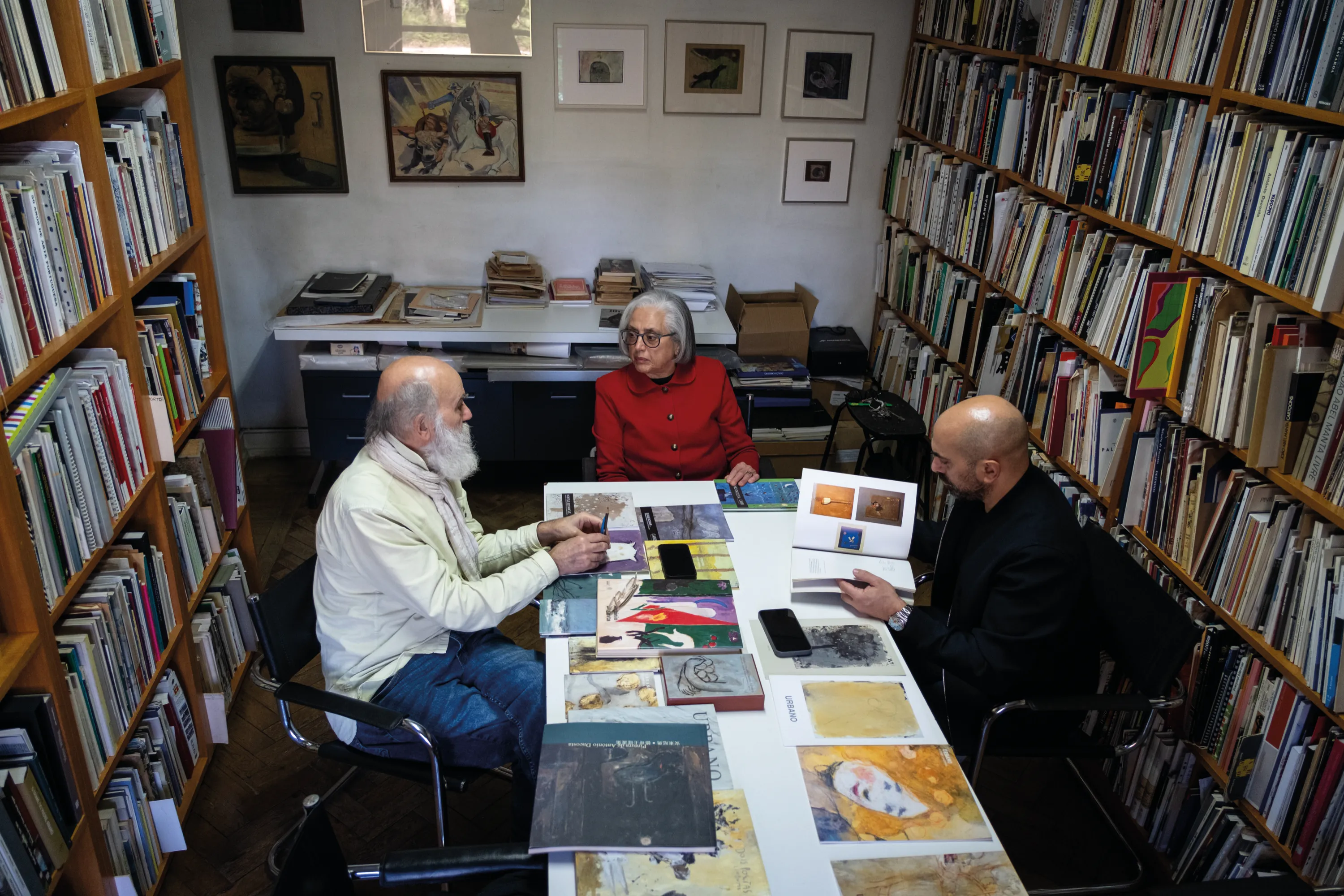
Photographs by Paulo Goulart
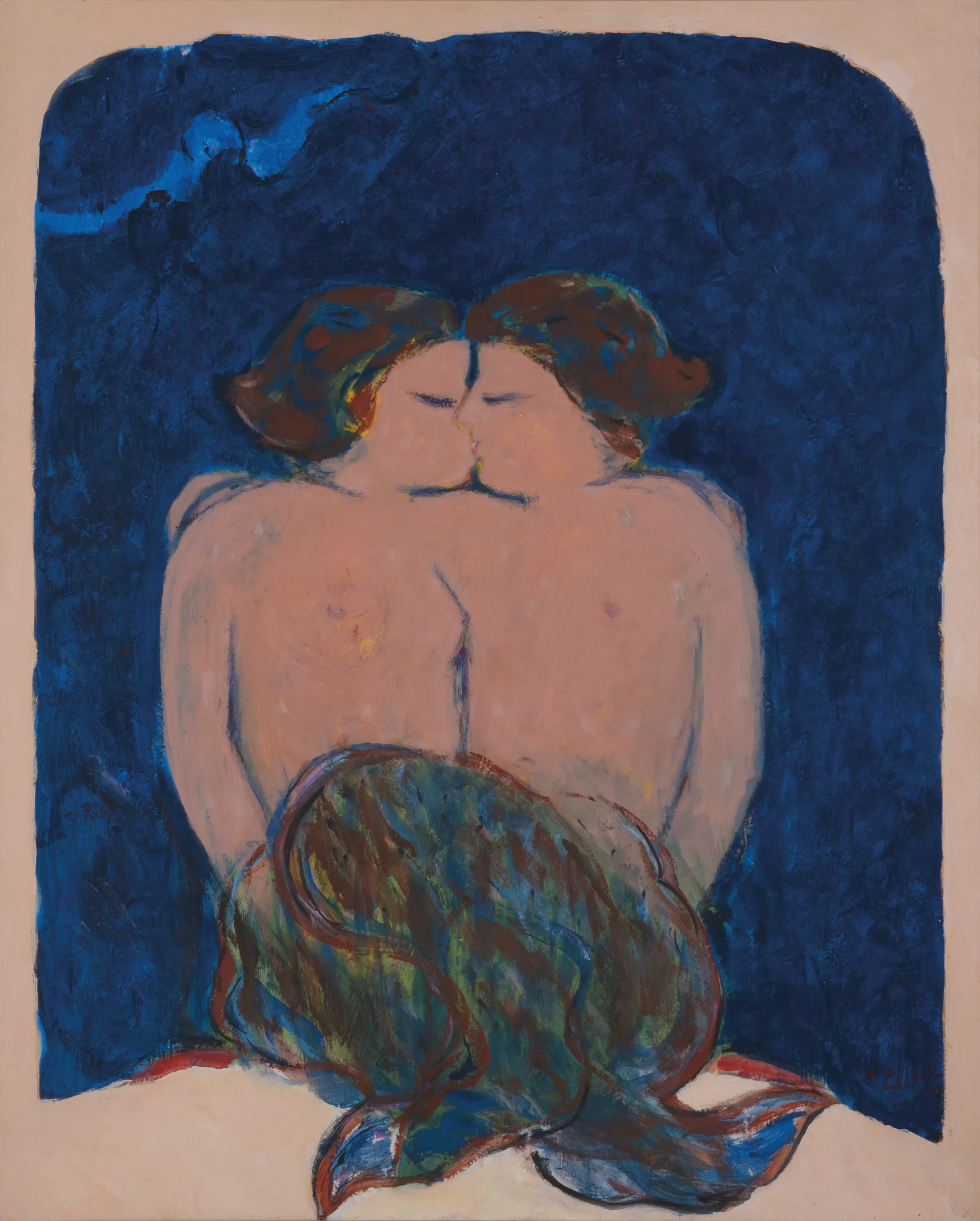
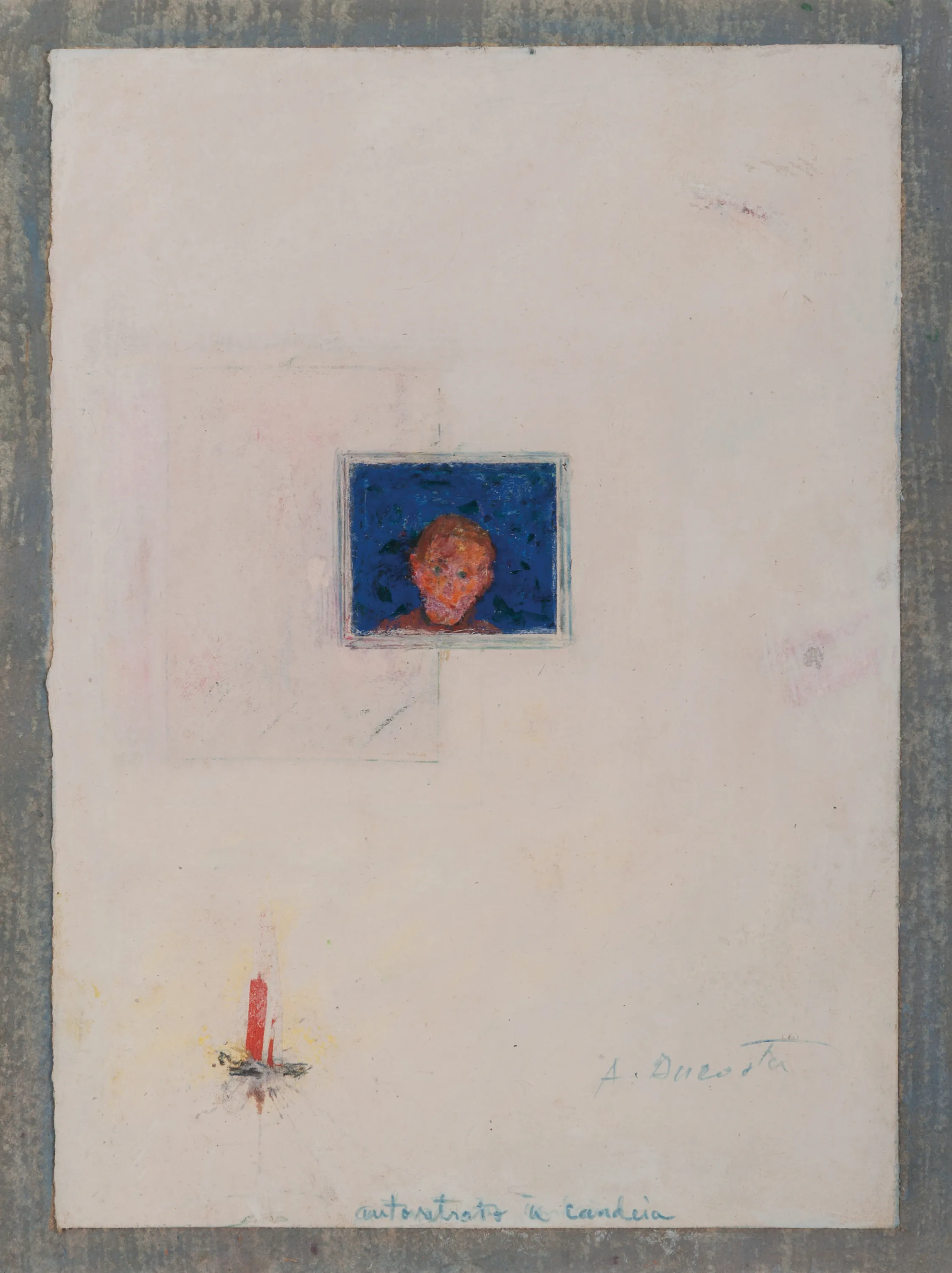
“No Title, 1980, acrylic and collage on canvas: One light blue square sitting within another square of darker, petrol blue. A ripped piece of yellow paper stuck down upon the paint. Its edges are craggy, irregular, reminiscent of a beach and its coastline.”
António Dacosta was born in 1914 on Terceira Island into a family of craftsmen, just as World War I was breaking out. He spent his childhood and adolescence on the peaceful island in the middle of the Atlantic Ocean, gazing at the blue sky and the blue sea.
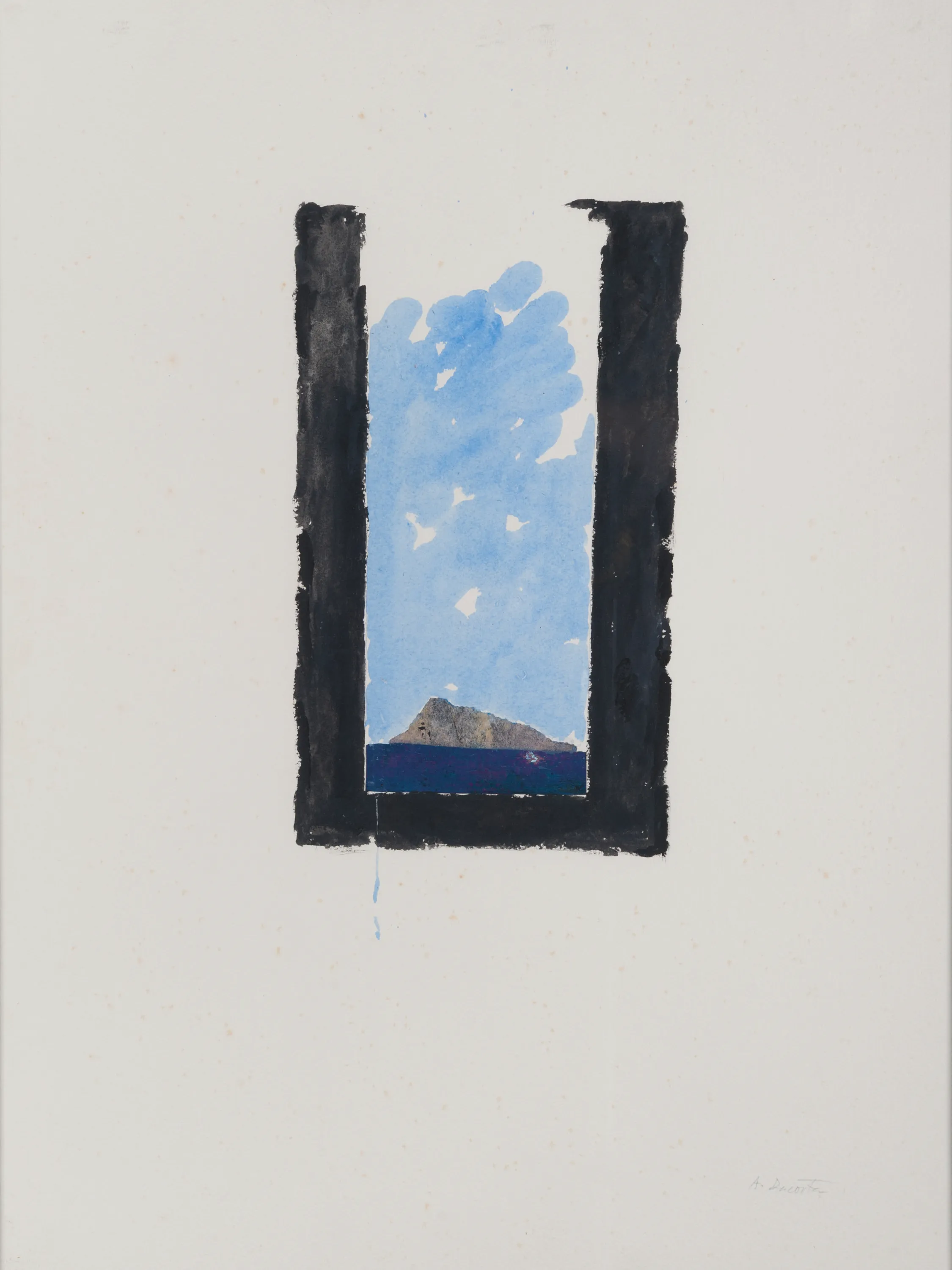
What makes this story so especially blue is that it is governed by those bleak feelings every one of us, artist or no, endures. Those feelings which we often call ‘the blues’. It is the story of a man who becomes stuck, creatively and emotionally, for an impossibly long period of time, and then of his almost miraculous late flowering.
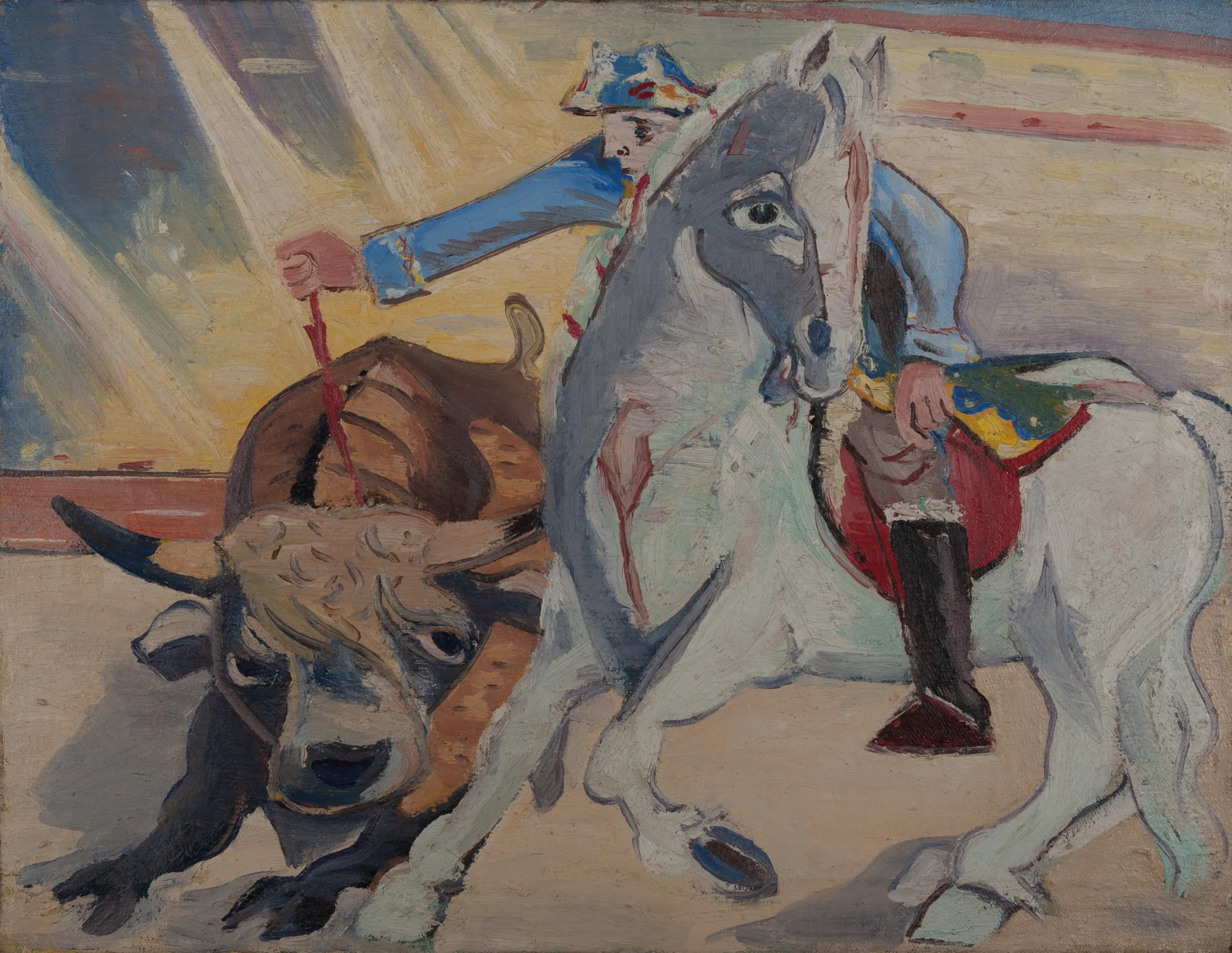
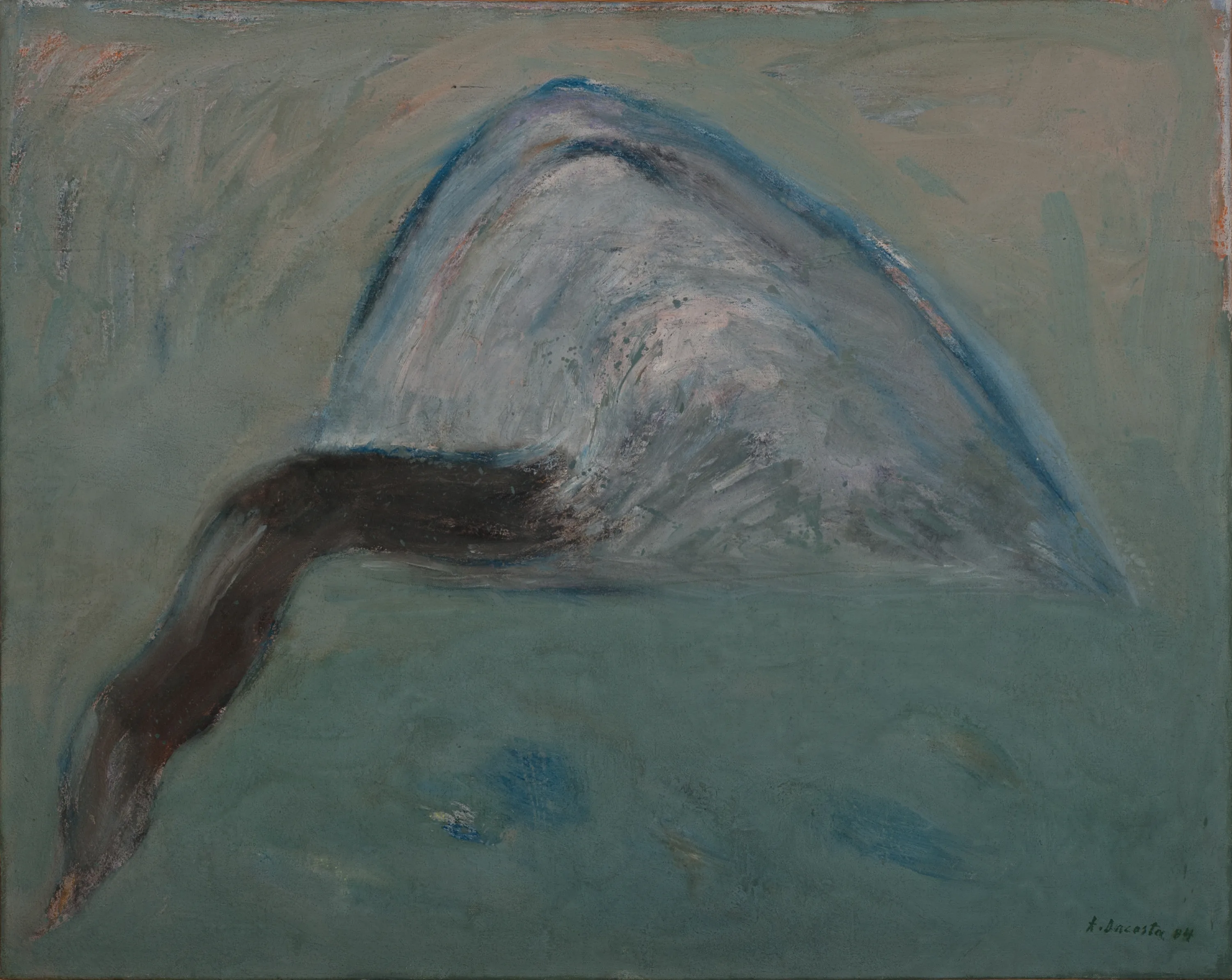
From 1952 to 1978, he mostly wrote about the artistic activity in Paris. Then, right at the end of his life, Dacosta began working again. His 1983 exhibition was described at the time by Expresso magazine as a seminal moment in Portuguese art history — reviving and revolutionising contemporary painting. Art critic Helena de Freitas described his work from this late period as ‘news from paradise’.
Photographs by Paulo Goulart
Read the full conversation in Ilhéu Magazine Issue B
Buy Issue B