
Conversation 3 — Music
Azorean Blues
By Diogo Lima & Romeu Bairos
Photographs by Maria Abranches
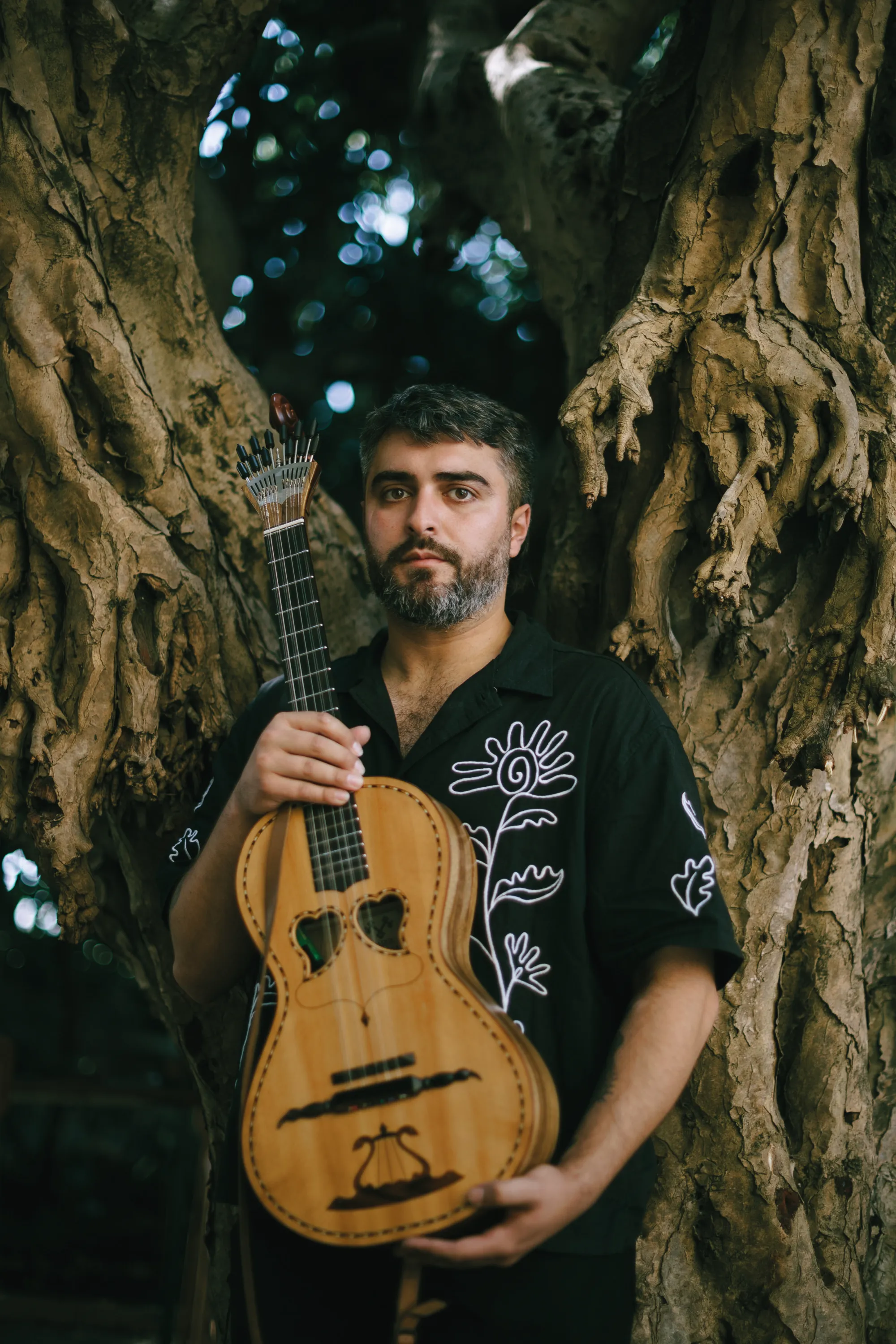
The blues is one of the foundations of modern music — rock, jazz, country, and so many more musical genres trace their lineage back to it. Beyond the American South, however, other cultures developed their own sorrow songs: fado in Portugal, the Greek rebetiko, or the Ethiopian tezeta.
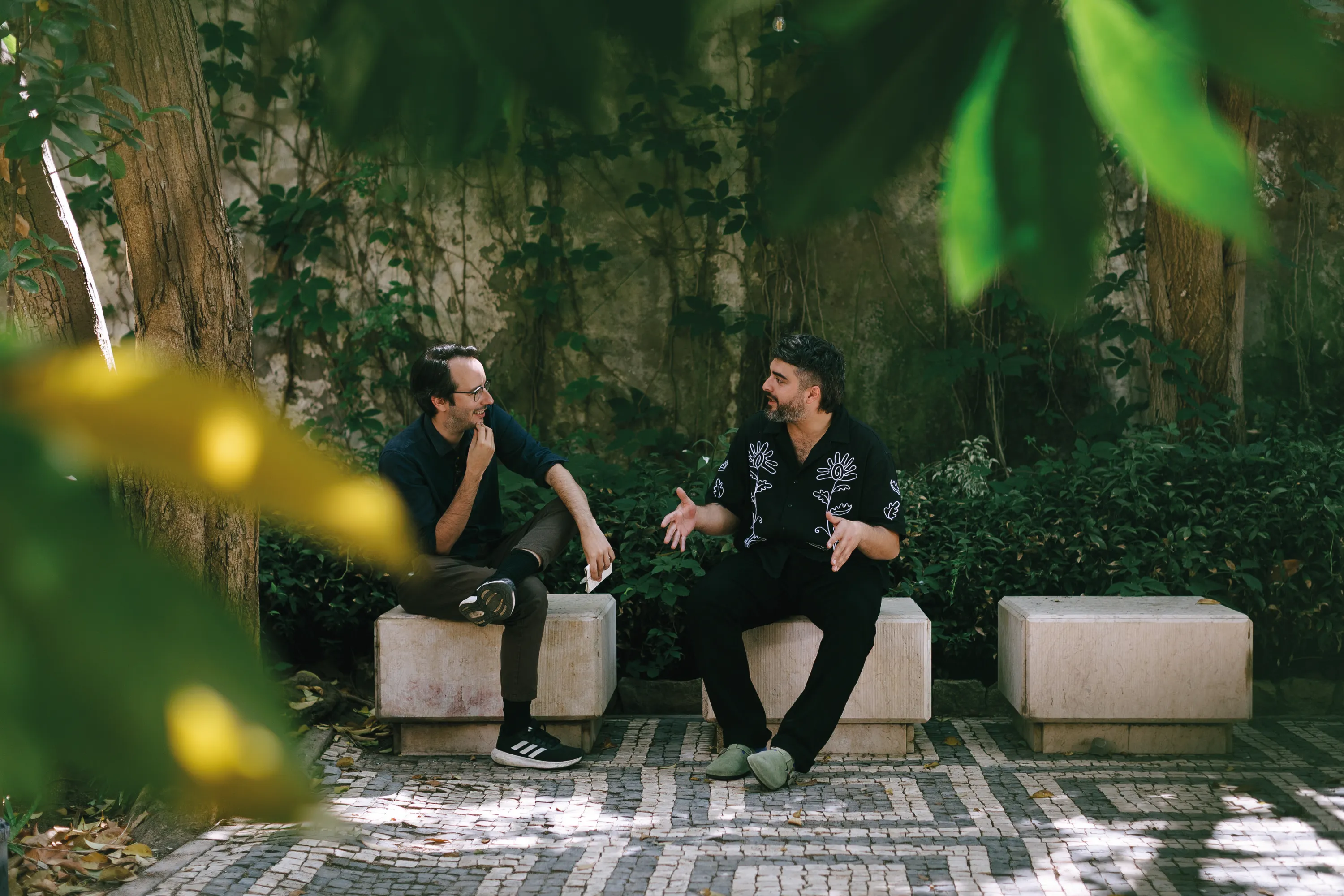
Romeu Bairos continues that lineage, though never by simply going back to basics. On Romê das Furnas, he reinterprets forgotten folk songs and adds new ones of his own, all anchored by the viola da terra, the Azorean twelve-string guitar that remains at the heart of the islands’ sound.
“What makes Bairos singular is the way he seems to inhabit the very traits of the songs he sings. Restless, sometimes fatalistic, and with a hint of cheekiness here and there, he embodies the bluesy undertones of the Azorean spirit rather than treating them as raw material for bland pop fusion.”
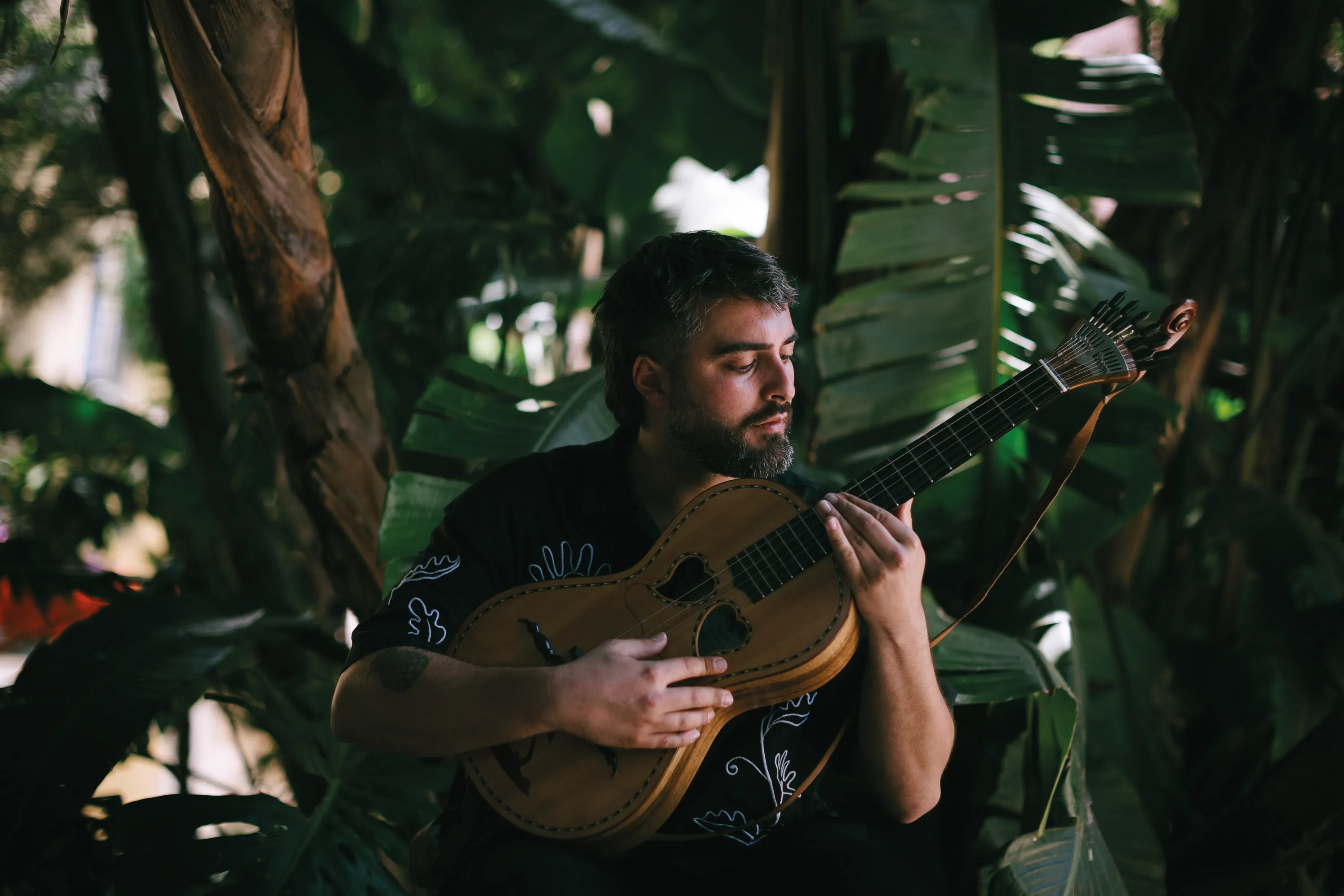
It is in this speculative spirit — halfway between history, invention, and personal expression — that our conversation unfolded: on what it might mean to imagine an ‘Azorean blues.’
Read the full conversation in Ilhéu Magazine Issue B
Buy Issue B